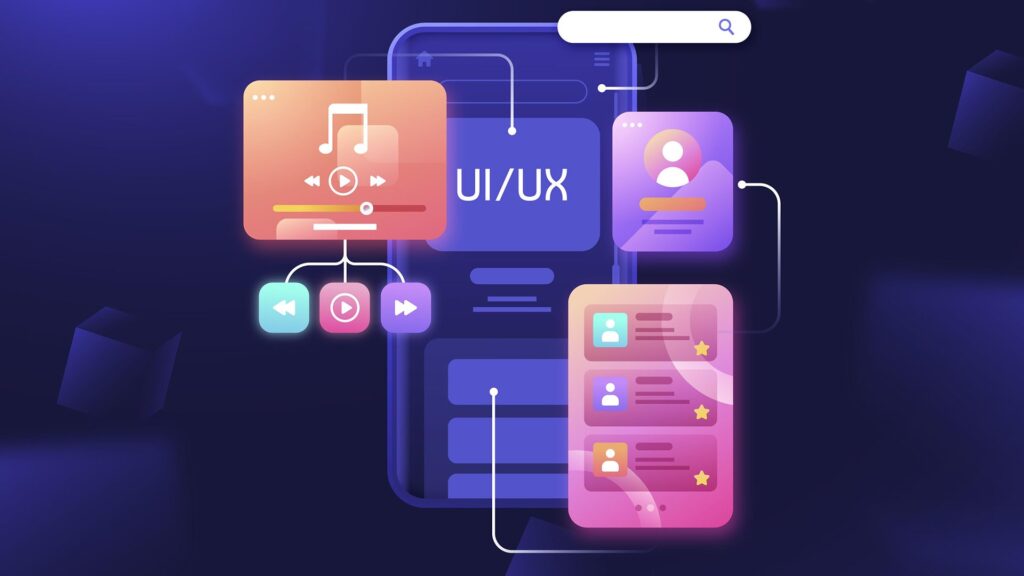
User interface design (UI) is a crucial aspect of web development that focuses on the look and feel of a website. It encompasses the visual elements, interactive features, and overall aesthetics that contribute to a user's experience. A well-designed UI not only attracts users but also guides them seamlessly through the website, ensuring they can find what they need without frustration.
Key principles of UI design include consistency, simplicity, and feedback. Consistency ensures that similar elements behave in the same way across the site, making it easier for users to navigate. Simplicity reduces cognitive load by presenting information clearly and concisely. Providing feedback, such as visual cues when a button is clicked, enhances user engagement and satisfaction.
User experience (UX) is integral to web development, as it focuses on the overall experience a user has while interacting with a website. A positive UX leads to higher user satisfaction, increased engagement, and ultimately, better conversion rates for businesses. Understanding the needs and behaviors of users is essential for creating an effective web presence.
To enhance UX, web developers often conduct user research, usability testing, and iterative design processes. These methods help identify pain points and areas for improvement, ensuring that the final product meets user expectations. For instance, incorporating user feedback can lead to more intuitive navigation and a more streamlined purchasing process, which is particularly vital for B2B websites.
When designing websites for B2B companies, certain best practices can significantly improve effectiveness and user engagement. These practices include prioritizing mobile responsiveness, optimizing load times, and ensuring clear calls to action (CTAs). A mobile-responsive design ensures that users can access the site on any device, while quick load times reduce bounce rates and improve user retention.
Additionally, clear CTAs guide users toward desired actions, such as signing up for a newsletter or requesting a quote. Effective use of whitespace and visual hierarchy also enhances readability, making it easier for users to digest information. By implementing these best practices, B2B websites can foster a more engaging and user-friendly experience.
The landscape of web design and development is constantly evolving, with new trends emerging that shape how businesses engage with their audiences. Some current trends include the use of artificial intelligence (AI) for personalized user experiences, the rise of voice user interfaces (VUIs), and the integration of augmented reality (AR) elements into web design. These innovations are transforming how users interact with websites and what they expect from their online experiences.
As businesses adapt to these trends, it is vital to stay informed and agile. For example, implementing AI chatbots can enhance customer service by providing instant support, while AR can offer immersive product experiences. Keeping up with these developments not only improves user engagement but also positions businesses as leaders in their respective industries.